How to Maintain Ideal Temperature and Humidity Levels with Dehumidifiers
Understanding the Importance of Temperature and Humidity Control
The Role of Humidity in Indoor Environments
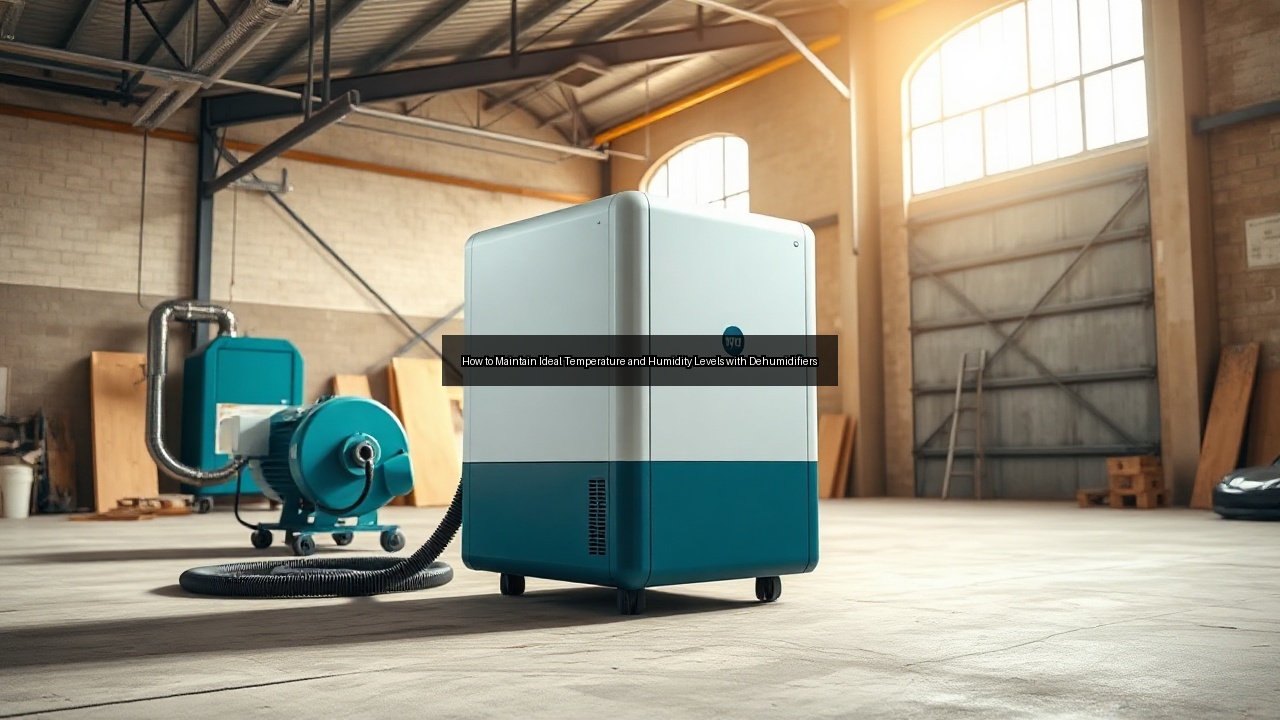
Humidity directly shapes how comfortable and safe any indoor space feels. Excess moisture in the air creates conditions where mold thrives and materials degrade quickly. A commercial dehumidifier removes this moisture efficiently, keeping relative humidity between 40 and 50 percent. Operators notice immediate improvements in air quality once they install a properly sized unit. Commercial air dehumidifier models handle large volumes of air, measured in CFM, to maintain consistent conditions across warehouses and production floors. Without active control, temperature swings combine with high humidity to promote condensation on walls and equipment. Regular dehumidification prevents these issues before they escalate into costly repairs or health complaints.
Effects of Excess Moisture on Health and Property
High humidity levels trigger respiratory problems and encourage mold growth on surfaces. Property owners face warped flooring, rust on metal fixtures, and damaged inventory when moisture lingers unchecked. Commercial dehumidifiers address these risks by extracting pints of water per day from the air. In construction sites, excess moisture delays drying of concrete and drywall, extending project timelines. Flooding risks rise dramatically in poorly ventilated spaces, especially during seasonal rains. A well-chosen commercial dehumidifier unit lowers these threats by pulling humid air through coils and collecting condensate via an integrated pump and hose system. This process protects both occupants and assets while reducing long-term maintenance costs.
Key Benefits of Maintaining Ideal Temperature and Humidity Levels
Stable temperature and humidity control improve worker productivity and preserve equipment longevity. Businesses that deploy commercial dehumidifiers report fewer sick days and lower energy bills because HVAC systems operate more efficiently in dehumidified environments. Ideal conditions also extend the life of stored goods in warehouses by preventing spoilage and corrosion. Energy Star rated models deliver these advantages while consuming less electricity, making them cost-effective over time. Operators gain precise control through digital sensors that track humidity and temperature in real time. The result is a healthier indoor climate that supports both daily operations and long-term asset value without excessive heat buildup or moisture accumulation.
Choosing the Right Commercial Dehumidifier
Types of Commercial Dehumidifiers
Commercial dehumidifiers come in several configurations to match different environments. Refrigerant-based units excel in warm spaces, while desiccant models handle cooler or low-temperature areas effectively. Portable commercial dehumidifier units offer flexibility for temporary drying projects, whereas whole-building systems integrate directly with existing HVAC setups. Each type processes specific CFM ratings and extracts varying pints of moisture daily. Facilities managers evaluate sound pressure level ratings to ensure quiet operation in occupied areas. Selecting the correct type prevents underperformance and avoids unnecessary energy use. Dehumidifiers for commercial applications often include built-in pumps and hoses for continuous drainage, eliminating manual emptying in high-moisture zones.
Factors to Consider: Pints, CFM, and Ton Ratings
Capacity ratings guide proper sizing for any commercial dehumidifier. Pints per day indicate total moisture removal, while CFM measures airflow volume across the space. Ton ratings reflect cooling capacity that supports dehumidification in larger areas. Undersized units struggle to maintain target humidity, allowing mold to return. Oversized models cycle too frequently and waste energy. Operators calculate square footage and typical moisture load before choosing. A commercial dehumidifier rated at 150 pints with 500 CFM suits many warehouses, whereas construction sites may require higher ton ratings for rapid drying. Matching these specifications ensures efficient performance without excess noise or power draw.
Energy Efficiency: Understanding Energy Star Ratings
Energy Star certified commercial dehumidifiers deliver strong moisture removal while minimizing electricity consumption. These models use advanced compressors and fans that reduce operating costs over thousands of hours. Facilities that prioritize efficiency lower their carbon footprint and qualify for utility rebates. A unit with strong Energy Star performance maintains humidity control without generating extra heat that burdens HVAC systems. Buyers compare annual energy costs listed on product labels to identify the best long-term value. In high-use settings like spas or storage facilities, efficient commercial dehumidifier units pay for themselves through reduced utility bills and fewer service calls.
Installation and Setup of Commercial Dehumidifiers
Optimal Placement for Maximum Air Flow
Correct placement maximizes air flow and ensures even dehumidification throughout the space. Install units away from walls and obstructions so intake and exhaust vents remain clear. Elevated positioning allows gravity-assisted drainage through the hose while preventing water damage from leaks. In warehouses, central locations promote uniform humidity reduction across stacked goods. Construction crews position commercial dehumidifiers near wet materials to accelerate drying without creating cold spots. Proper airflow prevents stagnant zones where mold can still form. Technicians verify that the chosen spot supports the unit’s rated CFM without recirculation of already dehumidified air.
Connecting Pumps and Hoses for Effective Moisture Removal
Built-in pumps and hoses enable continuous operation without frequent emptying. Route the hose to a floor drain or exterior outlet to handle the volume of collected water safely. Secure all connections to avoid leaks that could cause secondary flooding. Commercial dehumidifier units with automatic pumps activate when the condensate bucket reaches capacity, maintaining uninterrupted dehumidification. In spas and indoor pools, this setup handles high moisture loads without manual intervention. Regular inspection of hoses prevents clogs that reduce performance. Proper installation ensures the system removes pints of water daily while keeping surrounding areas dry and safe.
Integrating with HVAC Systems for Enhanced Performance
Linking a commercial dehumidifier to existing HVAC systems creates a unified approach to temperature and humidity control. Ducted connections distribute dehumidified air evenly while the HVAC handles sensible heat loads. This integration reduces overall energy use because the cooling system no longer overworks to remove latent moisture. Facilities managers program coordinated setpoints so both systems respond to real-time sensor data. In large warehouses, this combination maintains consistent conditions that protect inventory. Proper integration also lowers sound pressure levels by allowing smaller individual units to share the workload. The result is reliable humidity control with minimal disruption to daily operations.
Ongoing Maintenance and Performance Monitoring
Regular Check-ups: Keeping Your Dehumidifier in Top Shape
Scheduled maintenance keeps any commercial dehumidifier running efficiently for years. Clean coils and filters monthly to maintain rated CFM and pints removal capacity. Inspect the pump and hose for wear that could lead to leaks or reduced drainage. Technicians replace worn parts promptly to avoid downtime during peak moisture seasons. Energy Star models often include diagnostic indicators that signal when service is due. Consistent upkeep prevents mold inside the unit itself and protects the surrounding space from secondary moisture issues. Facilities that follow manufacturer guidelines experience fewer breakdowns and sustained performance across construction sites, warehouses, and spas.
Monitoring Humidity Levels with Digital Tools
Digital hygrometers and building management systems provide accurate, continuous readings of humidity and temperature. Operators set alerts that notify staff when levels drift outside the ideal range. Data logging reveals patterns that help optimize commercial dehumidifier runtime and placement. In high-traffic areas, these tools confirm that dehumidification meets target specifications without excessive energy use. Integration with HVAC controls allows automatic adjustments based on real-time conditions. Accurate monitoring protects against both under-dehumidification that permits mold growth and over-dehumidification that wastes resources. Reliable data supports proactive decisions that keep indoor environments stable year-round.
Troubleshooting Common Issues: From Sound Pressure Level to Flooding Risks
Unusual noise often indicates fan imbalance or loose components that raise sound pressure level beyond acceptable limits. Low airflow points to clogged filters or blocked vents that reduce effective CFM. Water leaks around the hose or pump signal improper connections or worn seals that create flooding risks. Technicians address these problems quickly by checking drainage lines and verifying proper unit leveling. In commercial settings, rapid troubleshooting prevents moisture damage to inventory and equipment. Regular sensor calibration ensures accurate humidity control and avoids unnecessary cycling. Addressing issues early maintains the performance of commercial dehumidifier units across demanding applications.
Practical Applications and Case Studies
Dehumidifiers in Construction: Protecting Materials and Equipment
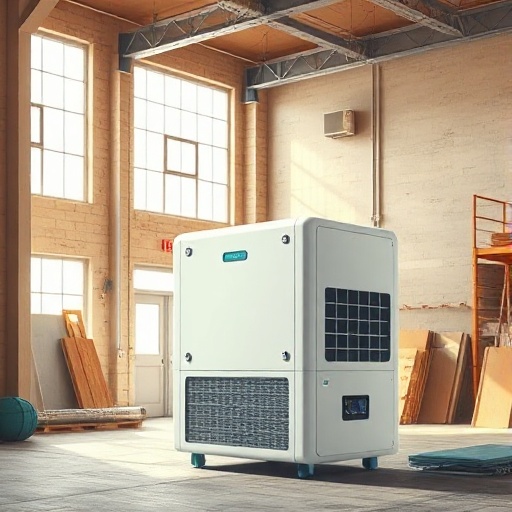
Construction projects generate large amounts of moisture from concrete, paint, and adhesives. Commercial dehumidifiers accelerate drying and prevent mold on framing and insulation. Crews deploy high-capacity units rated in tons to handle open spaces with elevated humidity. Proper placement near wet materials speeds project completion while protecting tools from corrosion. Integrated pumps and hoses manage continuous condensate removal without interrupting work. These practices reduce callbacks and maintain schedule integrity. Effective dehumidification also improves indoor air quality for workers on site.
Using Dehumidifiers in Warehouses and Storage Spaces
Warehouses store diverse goods that suffer when humidity fluctuates. Commercial dehumidifier units maintain stable conditions that protect electronics, paper products, and food inventory from moisture damage. High CFM models circulate air across large floor plans, while Energy Star options control operating costs. Integration with HVAC systems ensures temperature and humidity remain balanced even during seasonal changes. Facilities that monitor conditions digitally catch problems early and avoid spoilage losses. Consistent dehumidification preserves product quality and reduces insurance claims related to water damage.
Case Study: Effectiveness in Spas and Indoor Pools
Spas and indoor pools produce constant high humidity that damages structures and creates slippery surfaces. A dedicated commercial dehumidifier system extracts large volumes of moisture daily while integrating with ventilation to control odors. Operators report lower mold incidence and improved guest comfort after installation. Units with low sound pressure levels operate unobtrusively during peak hours. Continuous pump and hose drainage handles peak loads without flooding risks. Energy-efficient models keep utility expenses manageable despite year-round operation. This approach demonstrates how targeted dehumidification protects both facilities and visitor experience in demanding environments.
See Also
- Understanding CFM Ratings in Commercial Dehumidifiers for Optimal Air Flow
- Unlocking the Secrets of Commercial Dehumidifiers for Humidity Control
- The Importance of Pump and Hose Systems in High-Capacity Commercial Dehumidifiers
- Exploring the Impact of Sound Pressure Levels in Commercial Dehumidifiers
- The Ultimate Guide to Choosing the Right Commercial Dehumidifier for Your Space