5 Essential Features to Look for in a Diesel Tank Level Gauge
Understanding Diesel Tank Level Gauges
What is a Diesel Tank Level Gauge?
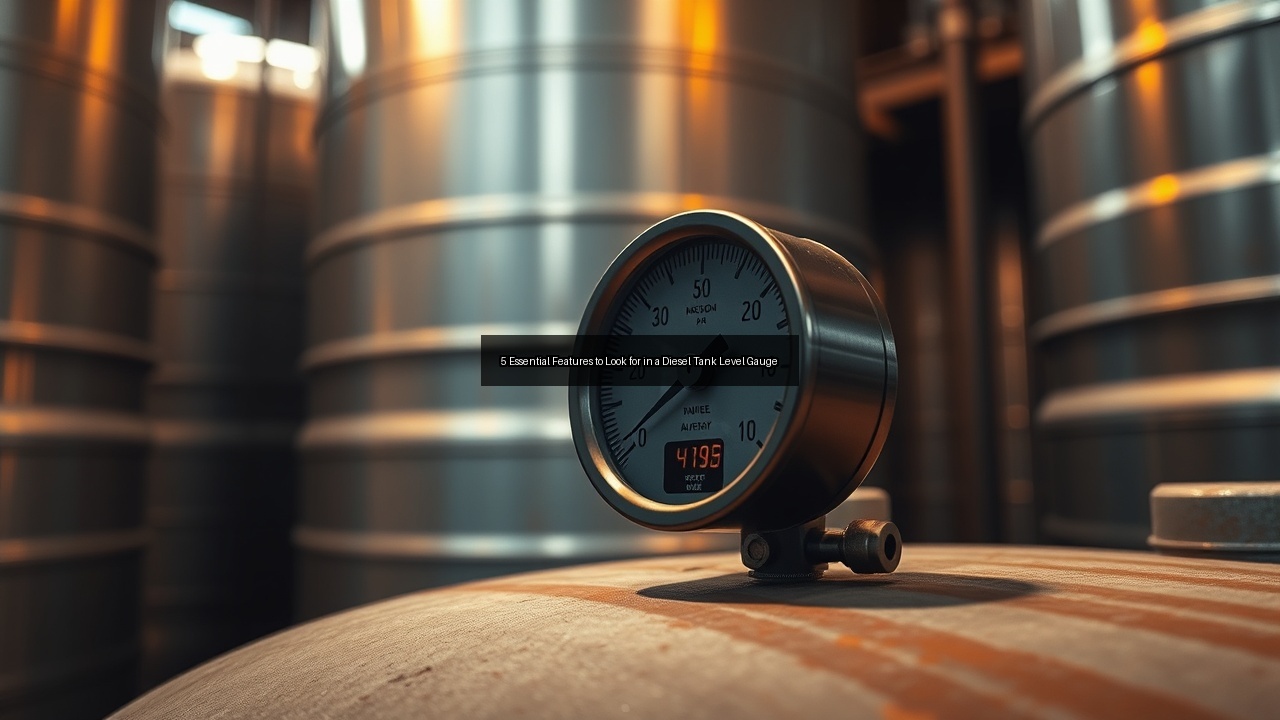
A diesel tank level gauge is an essential instrument designed to monitor the amount of diesel fuel stored within a tank. These gauges provide crucial information about the fuel level, allowing operators to manage their diesel reserves efficiently. By utilizing various technologies, diesel gauges convert the physical measurement of liquid in the tank into easy-to-read data that can be displayed digitally or analogically. Understanding how these gauges function is vital for anyone involved in fuel management, whether in commercial settings or industrial applications. The right fuel gauge not only helps in maintaining operational efficiency but also ensures safety by preventing overflows or unexpected shortages in fuel storage.
These gauges come equipped with various features tailored to meet the diverse needs of different industries, from agriculture to construction and transportation. Their importance extends beyond mere monitoring; they play a crucial role in maintaining operational continuity, environmental compliance, and cost management. The effectiveness of fuel management systems heavily relies on the accuracy and reliability of diesel tank level gauges, making them indispensable tools in modern fuel operations.
Importance of Accurate Measurements in Fuel Storage
Accurate measurements in diesel fuel storage directly impact operational efficiency and cost management. Inaccurate readings can lead to significant issues, including overfilling, which poses environmental hazards, and underfilling, which can disrupt operations. Moreover, precise measurements help in forecasting fuel needs, allowing businesses to optimize their purchase schedules and avoid unnecessary downtime. The ability to track diesel levels accurately also enhances compliance with safety regulations and environmental standards. Therefore, investing in a reliable diesel tank level gauge is not just a matter of convenience; it is a critical aspect of effective fuel management.
In addition to operational efficiency, accurate measurements also facilitate better financial planning. By understanding consumption patterns and predicting fuel needs, businesses can make informed purchasing decisions, potentially leading to bulk buying opportunities that reduce costs. Furthermore, accurate data can assist in budgeting for fuel expenses, ensuring that organizations maintain healthy cash flow and avoid unexpected financial burdens associated with fuel shortages or emergencies.
Key Features to Consider in Diesel Tank Level Gauges
Precision and Accuracy of Measurements
Precision and accuracy stand as the cornerstone features of any reliable diesel tank level gauge. When selecting a gauge, operators must ensure it delivers exact readings that reflect the true fuel level in the tank. A high-quality diesel level gauge minimizes discrepancies, which is crucial for effective fuel management. Various technologies, such as ultrasonic or capacitive sensors, are available that can provide highly precise measurements. Moreover, these diesel gauges should offer consistent performance over time, reducing the likelihood of measurement errors that lead to operational inefficiencies. Regular calibration of these devices further ensures that accuracy is maintained, allowing for dependable readings that inform crucial decisions regarding fuel consumption and procurement.
Furthermore, some advanced diesel level gauges now incorporate smart technology, allowing for real-time data analytics. These innovations enable operators to not only see current fuel levels but also to monitor trends over time, helping with long-term planning and resource allocation. The integration of IoT (Internet of Things) capabilities in diesel gauges is paving the way for a more connected and efficient approach to fuel management.
Durability and Resistance to Environmental Factors
Durability is a non-negotiable feature in any diesel tank level gauge. These gauges operate in a variety of environments, often subject to extreme weather conditions, corrosive elements, and physical impacts. Selecting a gauge made from robust materials that can withstand such challenges is vital. Look for gauges that are resistant to corrosion, moisture, and UV exposure, as these factors can significantly affect performance and longevity. Additionally, some gauges come equipped with protective casings that enhance their resistance to physical damage. Investing in a durable diesel gauge minimizes the risk of failures and reduces maintenance costs, ensuring uninterrupted monitoring of fuel levels.
Moreover, many modern diesel gauges are designed to operate safely within a wide temperature range, making them suitable for diverse applications, from arctic conditions to desert environments. This versatility is particularly important for businesses that operate in multiple geographical locations, ensuring that they can rely on the same level of accuracy and performance regardless of external conditions.
Ease of Installation and Plumbing Requirements
The installation process for a diesel tank level gauge should be straightforward to ensure minimal disruption in operations. A gauge that requires complex plumbing or extensive modifications can lead to increased downtime and additional costs. Opt for gauges designed for easy integration into existing fuel systems. Compatibility with various tank sizes and designs is also essential. Many modern diesel level gauges come with user-friendly installation kits that include all necessary components and detailed instructions. This ease of installation not only saves time but also simplifies maintenance tasks in the future, allowing operators to focus on fuel management rather than technical challenges.
Additionally, considering the long-term usage of these gauges, it's important to choose models that allow for easy access to key components for maintenance or replacement. Some manufacturers offer modular designs that enable quick swaps of specific parts without needing to replace the entire unit, thus saving both time and costs associated with downtime.
Advanced Technologies in Diesel Gauges
Digital vs. Analog Diesel Fuel Gauges
The choice between digital and analog diesel fuel gauges significantly impacts how fuel levels are monitored. Digital gauges offer a range of advantages, including higher accuracy, easier readability, and additional features such as alerts for low fuel levels. They often come equipped with advanced technology that allows for remote monitoring and data logging, making them ideal for large operations. Conversely, analog gauges are simpler and may be more cost-effective, but they lack the sophisticated features that digital options provide. Ultimately, the decision hinges on specific operational needs and the complexity of the fuel management system in place.
In recent years, digital gauges have also begun to incorporate wireless communication technologies, allowing operators to receive notifications directly to smartphones or computers. This capability adds a layer of convenience, as it enables real-time monitoring without the need to be physically present at the site. Such advancements not only enhance operational efficiency but also contribute to better response times in case of emergencies.
Integration with Monitoring Systems like Krueger Sentry
Integration with advanced monitoring systems, such as Krueger Sentry, enhances the functionality of diesel tank level gauges. These systems provide real-time data, allowing operators to track fuel levels remotely and receive alerts for any irregularities. This capability is especially beneficial for businesses that manage multiple tanks across various locations. By integrating diesel gauges with monitoring systems, operators can streamline their fuel management processes, minimize risks associated with fuel shortages, and enhance overall operational efficiency. The synergy between diesel level gauges and monitoring systems marks a significant advancement in fuel management technology, enabling businesses to make informed decisions based on accurate, real-time data.
Moreover, these systems often come equipped with analytical tools that allow operators to forecast fuel needs based on historical consumption data. This predictive capability can significantly enhance fuel procurement strategies, ensuring that businesses maintain optimal fuel levels while avoiding overstock situations that can tie up capital unnecessarily.
Benefits of Investing in Quality Diesel Level Gauges
Reducing Downtime and Maintenance Costs
Investing in high-quality diesel level gauges significantly reduces downtime and maintenance costs. Reliable gauges provide accurate readings, preventing fuel shortages that can halt operations. When businesses can trust their gauges to deliver precise measurements, they can plan fuel deliveries more effectively, ensuring that operations run smoothly without interruptions. Moreover, quality gauges tend to require less frequent replacements and repairs, further lowering the total cost of ownership. Regular monitoring of fuel levels means that any potential issues can be addressed proactively, minimizing unexpected failures and the associated costs of emergency repairs or downtime.
Additionally, a dependable gauge can also contribute to better inventory management. By ensuring that fuel levels are accurately tracked, companies can avoid excess fuel storage, thus reducing the risks associated with fuel degradation and contamination over time. This proactive approach to fuel management not only saves money but also helps maintain the quality of the fuel being used, which can have long-term implications on engine efficiency and maintenance.
Enhancing Operational Efficiency in Fuel Management
Quality diesel tank level gauges directly enhance operational efficiency in fuel management by offering precise, real-time data that informs decision-making. With accurate fuel measurements, businesses can optimize their fuel usage, reducing waste and lowering operational costs. Enhanced monitoring capabilities allow operators to analyze consumption patterns, plan fuel orders accordingly, and streamline logistics. This level of efficiency not only saves money but also contributes to sustainability by minimizing unnecessary fuel usage. By investing in a reliable diesel level gauge, companies position themselves to improve their overall fuel management strategy, resulting in a more sustainable and efficient operation.
Furthermore, the insights gained from accurate fuel monitoring can also drive continuous improvement initiatives within organizations. For instance, by analyzing fuel consumption trends, businesses can identify areas where operational changes may lead to further reductions in fuel usage, ultimately fostering a culture of efficiency and environmental responsibility.