How Hydrostatic Testing Companies Ensure Safety in the Oil and Gas Industry
The Role of Hydrostatic Testing Companies in the Oil and Gas Industry
Importance of Hydrostatic Testing for Pipeline Safety
Hydrostatic testing companies play a critical role in ensuring the safety and integrity of pipelines in the oil and gas industry. Pipeline systems transport volatile substances, including oil, gas, and chemicals, making their integrity paramount. Hydrostatic testing evaluates the strength and leaks in these pipelines by subjecting them to high-pressure liquids. This testing process provides crucial data that helps prevent catastrophic failures, ensuring that the pipelines can withstand the conditions they will face in actual operations. By identifying weak points before they can cause significant issues, hydrostatic testing serves as a proactive measure in risk management.
Overview of Hydrostatic Pressure Testing Processes
The hydrostatic pressure testing process begins with the preparation of the pipeline or vessel. First, the section to be tested is isolated and cleaned to remove any debris or contaminants. Once cleaned, the section is filled with a liquid, usually water, but sometimes other fluids may be used depending on the specific requirements. The hydrostatic testing company then applies pressure that exceeds the normal operating pressure of the pipeline to ensure its strength. This pressure testing allows for the detection of leaks, deformations, or structural weaknesses. After the pressure test, the inspectors analyze the data to verify that the pipeline meets safety standards.
Key Equipment Used in Hydrostatic Testing
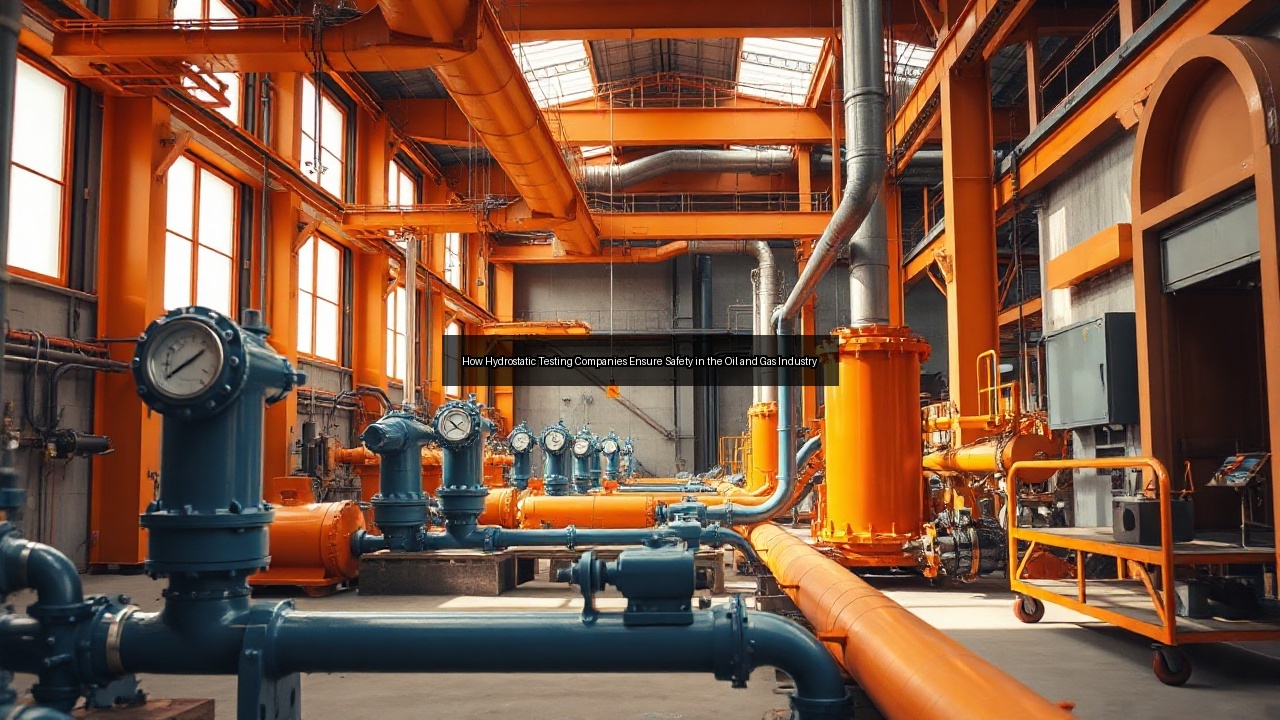
Hydrostatic testing companies utilize several essential pieces of equipment to conduct effective tests. High-pressure pumps are vital for injecting the test liquid into the pipeline to reach the desired pressure levels. Pressure gauges and transducers measure the pressure exerted within the pipeline, providing real-time data to operators. Additionally, testing companies often employ data logging systems to record pressure changes over time, allowing for a thorough analysis. Safety equipment, such as pressure relief valves and safety barriers, ensures that the testing process is conducted under controlled conditions, minimizing risks to personnel and the environment.
Hydrostatic Testing Procedures and Best Practices
Step-by-Step Process of Hydrostatic Testing
The hydrostatic testing procedure unfolds in several methodical steps to ensure accuracy and safety. First, the pipeline or vessel undergoes visual inspection to assess its condition. Next, technicians prepare the site by isolating the section and connecting testing equipment. After filling the pipeline with the test fluid, the technicians gradually increase the pressure to the specified level. This pressure is held for a predetermined duration to observe any pressure drops, indicating potential leaks. Following the test, operators systematically release the pressure and inspect the pipeline for any signs of distress or leakage. This structured approach guarantees that all safety and regulatory standards are adhered to during testing.
Common Fluids Used in Hydrostatic Testing
Water remains the primary fluid used in hydrostatic testing due to its availability and cost-effectiveness. However, other fluids, such as oil or specialized chemicals, may also be employed depending on the specific requirements of the pipeline and the substances it will carry. For instance, when testing equipment that will transport corrosive materials, companies might opt for non-corrosive fluids to minimize risks during the testing process. Nitrogen is another alternative that some companies utilize, especially for pneumatic testing, as it poses lower environmental risks. The choice of fluid significantly impacts the efficacy of the test and its results.
Safety Protocols and Risk Management in Testing
Safety protocols form the backbone of hydrostatic testing procedures. Hydrostatic testing companies must comply with strict regulations and industry standards to ensure the safety of personnel and the environment. Comprehensive risk management strategies include conducting pre-test safety meetings, assessing potential hazards, and implementing emergency response plans. Technicians wear personal protective equipment (PPE) and utilize safety barriers to protect against pressure surges and fluid spills. Continuous monitoring of pressure levels ensures that any anomalies are detected and addressed immediately. By prioritizing safety throughout the hydrostatic testing process, companies minimize risk and promote a culture of safety that extends throughout the oil and gas industry.
Innovations and Technologies in Hydrostatic Testing
Advancements in Mechanical Testing Techniques
Hydrostatic testing companies continuously adopt advancements in mechanical testing techniques to improve efficiency and accuracy. Recent innovations include automated pressure testing systems that streamline the testing process. These systems minimize human error by using advanced sensors and automated controls, allowing for precise pressure adjustments and real-time monitoring. Additionally, developments in data analysis software enhance the interpretation of testing results, enabling faster decision-making. Companies can now leverage these technological advancements to conduct more thorough assessments, ensuring pipeline integrity while reducing time and labor costs.
Integration of Pneumatic Testing Methods
Pneumatic testing, which uses air or gas instead of liquids, represents a growing trend among hydrostatic testing companies. This method provides a quicker alternative in situations where pipelines cannot be filled with water or other fluids. Pneumatic testing is particularly valuable in environments where liquid disposal poses challenges or in systems that require quick turnarounds. Despite its advantages, pneumatic testing carries higher risks if not managed properly, necessitating stringent safety protocols. Companies must ensure that personnel are trained in pneumatic testing techniques and that appropriate safety measures are in place to mitigate the potential dangers associated with high-pressure gas testing.
Hydro Testing Applications in Aerospace and Heavy Vehicles
Hydrostatic testing extends beyond the oil and gas industry, finding applications in aerospace and heavy vehicle manufacturing. In aerospace, components such as fuel tanks and hydraulic systems undergo hydro testing to validate their integrity and safety under high-pressure conditions. This rigorous testing ensures that critical systems function correctly, preventing catastrophic failures during flight. Similarly, heavy vehicles, including construction equipment and trucks, rely on hydrostatic testing to verify the strength of hydraulic lines and tanks. As industries push for more safety and reliability, hydrostatic testing companies adapt their techniques and technologies, catering to the evolving demands of these sectors.
Choosing the Right Hydrostatic Testing Company
Criteria for Selecting a Hydrostatic Testing Firm
Choosing the right hydrostatic testing company is critical for ensuring pipeline safety and compliance with industry standards. Start by evaluating the company's experience and reputation in the field. Look for firms that specialize in hydrostatic testing and have a proven track record in the oil and gas industry. Consider their certifications and adherence to local, national, and international regulations. A reliable hydrostatic testing firm should also possess a robust safety record, demonstrating their commitment to maintaining a safe work environment. Additionally, assess their range of services, as companies that offer comprehensive testing solutions can better meet diverse client needs.
Evaluating Company Expertise and Certifications
Expertise in hydrostatic testing is non-negotiable. Review each company's qualifications and certifications, as these indicate their proficiency and commitment to industry standards. Look for certifications from recognized organizations, such as the American Society of Mechanical Engineers (ASME) or the National Board of Boiler and Pressure Vessel Inspectors. Experienced technicians should possess knowledge of various testing methodologies and be familiar with the latest industry technologies. Engaging a company with a knowledgeable team ensures hydrostatic pressure test company that testing processes are executed correctly, minimizing risks and maximizing safety for pipelines.
Understanding the Cost of Hydrostatic Testing Services
Cost considerations play a significant role in selecting a hydrostatic testing company. While it may be tempting to choose the lowest bid, quality and safety should remain the primary focus. Obtain detailed quotes that outline the services provided, including any additional costs for mobilization, inspection, and reporting. Understanding the full scope of services helps gauge the value of the investment. Remember that investing in a reputable hydrostatic testing company can save money in the long run by preventing costly failures and ensuring compliance with industry regulations. Prioritize quality and safety over price to secure the best outcomes for your hydrostatic testing needs.
See Also
- How Hydrostatic Testing Companies are Revolutionizing Pipeline Integrity Management
- Navigating Hydrostatic Testing Certification Requirements for Companies
- The Role of Hydrostatic Testing in Construction and Pipeline Management
- What to Look for in a Hydrostatic Pressure Testing Company
- Top Hydrostatic Testing Firms Revolutionizing Pressure Validation