Innovative Custom Rubber Molding for Extreme Temperature Applications
Understanding Custom Rubber Molding Techniques
Overview of Molding Processes
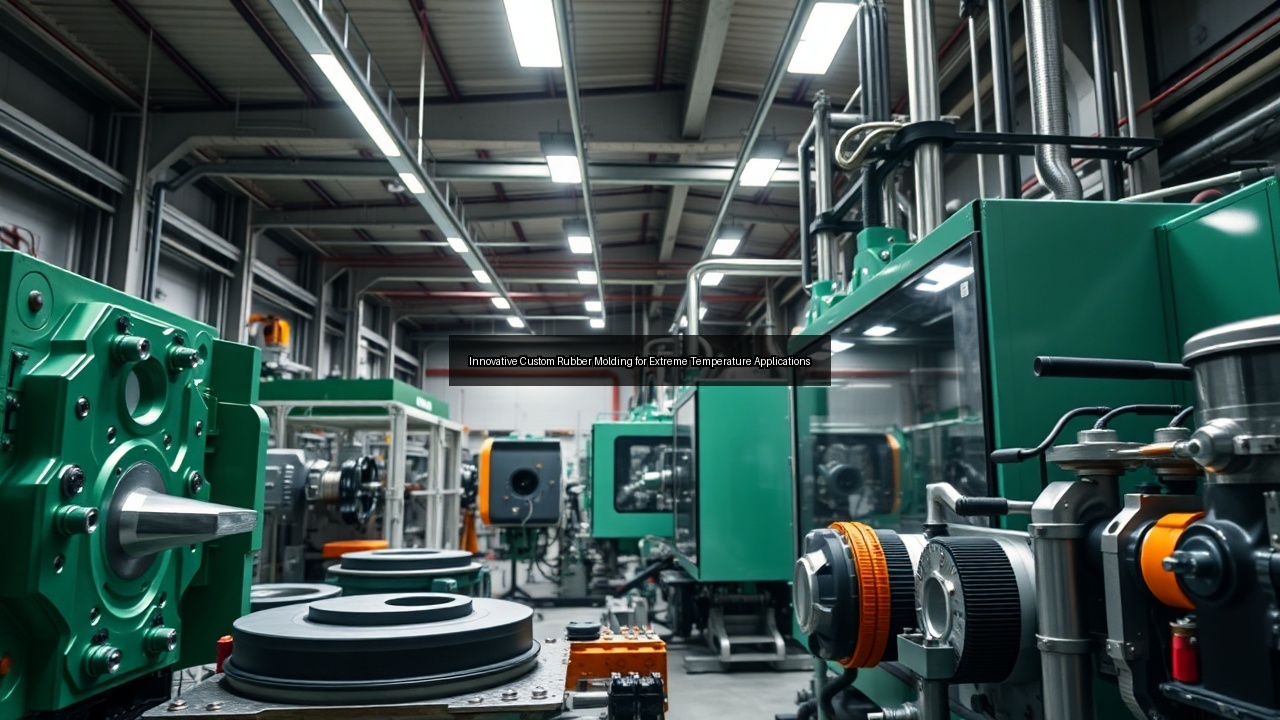
Custom rubber molding involves a range of advanced techniques that shape rubber into precise designs tailored for specific applications. Manufacturers utilize various processes, including injection molding, compression molding, and transfer molding, each offering unique advantages depending on the project requirements. Injection molding excels in high-volume production, delivering consistent quality and intricate details. Compression molding, on the other hand, is ideal for larger parts and offers simplicity in the process. Transfer molding bridges the gap between these two, allowing for versatility in creating complex shapes while maintaining efficiency. Understanding these processes is crucial for customers seeking optimal solutions in custom rubber molding.
Injection Molding vs. Compression Molding
Injection molding and compression molding serve distinct purposes in the realm of custom rubber manufacturing. Injection molding involves injecting heated rubber into a mold under high pressure, enabling the creation of intricate designs with tight tolerances. This method is perfect for producing high-quality, repeatable parts such as gaskets, seals, and bushings. Conversely, compression molding requires placing a pre-measured amount of rubber into a heated mold, then applying pressure to shape it. This approach is often more cost-effective for larger components, such as bumpers and larger grommets, where detail may be less critical. Choosing between these two methods hinges on factors such as production volume, component complexity, and material specifications. rubber custom molds
Transfer Molding: Advantages and Applications
Transfer molding combines features of both injection and compression molding, making it a versatile option for custom rubber products. In this process, rubber is preheated and placed into a chamber before being transferred into the mold under pressure. This method enables manufacturers to create parts with complex geometries while reducing waste and improving efficiency. Applications of transfer molding span various industries, including automotive, aerospace, and consumer goods. Its ability to produce high-quality rubber shapes, such as seals and dampers, makes transfer molding an invaluable technique in custom rubber molding. Manufacturers benefit from its adaptability, meeting diverse customer needs with precision and reliability.
Extreme Temperature Applications in Rubber Molding
Materials for High-Temperature Resistance
When dealing with extreme temperature applications, the choice of materials in custom rubber molding becomes crucial. High-temperature resistance materials, such as silicone and EPDM (ethylene propylene diene monomer), are popular choices. Silicone rubber withstands temperatures ranging from -100°F to +500°F, making it ideal for applications in automotive engines, food processing, and high-heat industrial environments. EPDM, known for its excellent weather resistance, also performs well in high-temperature settings, often used in roofing and automotive gaskets. Selecting the right rubber material ensures durability, performance, and longevity in extreme conditions, thereby enhancing the overall quality of the molded products.
EPDM and Silicone: Properties and Uses
EPDM and silicone are two of the most effective elastomers for extreme temperature applications. EPDM rubber offers remarkable resistance to ozone, UV light, and temperature extremes. It maintains flexibility and resilience even when exposed to harsh environments, making it a go-to choice for automotive seals and outdoor applications. Silicone, on the other hand, boasts superior thermal stability, chemical resistance, and flexibility across a wide temperature range. It finds applications in various sectors, including food packaging, where hygiene and safety are paramount. The properties of these materials allow manufacturers to create custom rubber molds that meet stringent industry standards while ensuring optimal performance in extreme conditions.
Challenges of Low-Temperature Environments
Custom rubber molding for low-temperature environments presents unique challenges that manufacturers must navigate. Many rubber compounds lose their elasticity and can become brittle in frigid conditions, limiting their effectiveness in applications such as refrigeration systems and outdoor machinery. To combat this, manufacturers often incorporate special additives or choose materials specifically designed for low-temperature flexibility, such as certain grades of silicone or specialized synthetic rubbers. Understanding the implications of low temperatures on rubber performance is critical for ensuring that molded products maintain their integrity and functionality, even in the harshest conditions.
Design Considerations for Custom Rubber Molds
Importance of Tolerances in Custom Molding
Tolerances play a vital role in the success of custom rubber molding projects. Accurate tolerances ensure that each part fits correctly within its intended application, which is especially important for components such as gaskets, seals, and vibration dampers. Tight tolerances can drive up costs if not managed properly, but they are necessary when precision is critical. Manufacturers must work closely with engineers to establish the right balance between cost and quality. By using advanced technologies and tools, manufacturers can achieve the necessary precision in molding while also keeping production efficient and cost-effective.
Innovative Tooling and Mold Design
Innovative tooling and mold design significantly impact the efficiency and quality of custom rubber molding. High-quality molds made from durable materials can withstand the pressures and temperatures involved in the molding process, ensuring longevity and consistent results. Advanced CAD software allows manufacturers to design intricate mold designs that optimize material flow and reduce waste. Furthermore, incorporating features such as cooling channels rubber custom molding into mold designs can enhance cycle times and improve overall product quality. As technology advances, manufacturers continuously explore new techniques and materials to push the boundaries of what is possible in rubber mold design.
Engineering for Extreme Conditions
Engineering custom rubber molds for extreme conditions requires a deep understanding of material properties and environmental challenges. Designers must consider factors such as temperature fluctuations, chemical exposure, and mechanical stress when developing molds for specific applications. Collaborating with experienced engineers can lead to the development of custom solutions that not only meet rigorous standards but also enhance product performance. By leveraging their expertise, manufacturers can create molds that withstand extreme environments while ensuring high-quality output. The focus on engineering excellence ultimately drives innovation in custom rubber molding, leading to superior products that exceed customer expectations.
Quality Control and Inspection in Rubber Manufacturing
ISO Standards in Rubber Molding
Adherence to ISO standards is essential in the rubber manufacturing industry, particularly for custom rubber molding. These standards ensure that manufacturers meet quality benchmarks and maintain consistency throughout the production process. ISO certifications not only enhance a manufacturer's reputation but also instill confidence in customers regarding product reliability and safety. For instance, ISO 9001 focuses on quality management systems, while ISO 14001 pertains to environmental management. Complying with these standards allows manufacturers to optimize processes, reduce waste, and produce high-quality rubber products that meet or exceed customer expectations.
Pressure and Temperature Testing
Effective quality control in custom rubber molding involves rigorous pressure and temperature testing. These tests assess the durability and performance of rubber parts under various environmental conditions. Pressure testing ensures that molded components can withstand the stresses they will face in real-world applications, such as gaskets sealing against leaks. Temperature testing evaluates how materials behave at extreme temperatures, helping manufacturers identify potential failures before products reach customers. Regular testing and inspection are crucial for maintaining product quality and meeting industry standards, ultimately ensuring customer satisfaction and trust.
Ensuring Consistency in Production
Consistency in production rubber custom molds is critical for the success of custom rubber molding. Manufacturers must implement robust quality control measures to monitor every stage of the production process. This includes inspecting raw materials, monitoring molding conditions, and conducting final inspections of finished products. Advanced technologies such as automated inspection systems can help detect defects early, ensuring only high-quality parts reach customers. By maintaining consistency, manufacturers build a reliable reputation and foster long-term relationships with clients, leading to repeat business and increased market share in the competitive rubber molding industry.