Why Thermoset Plastics Are Essential for Sustainable Construction
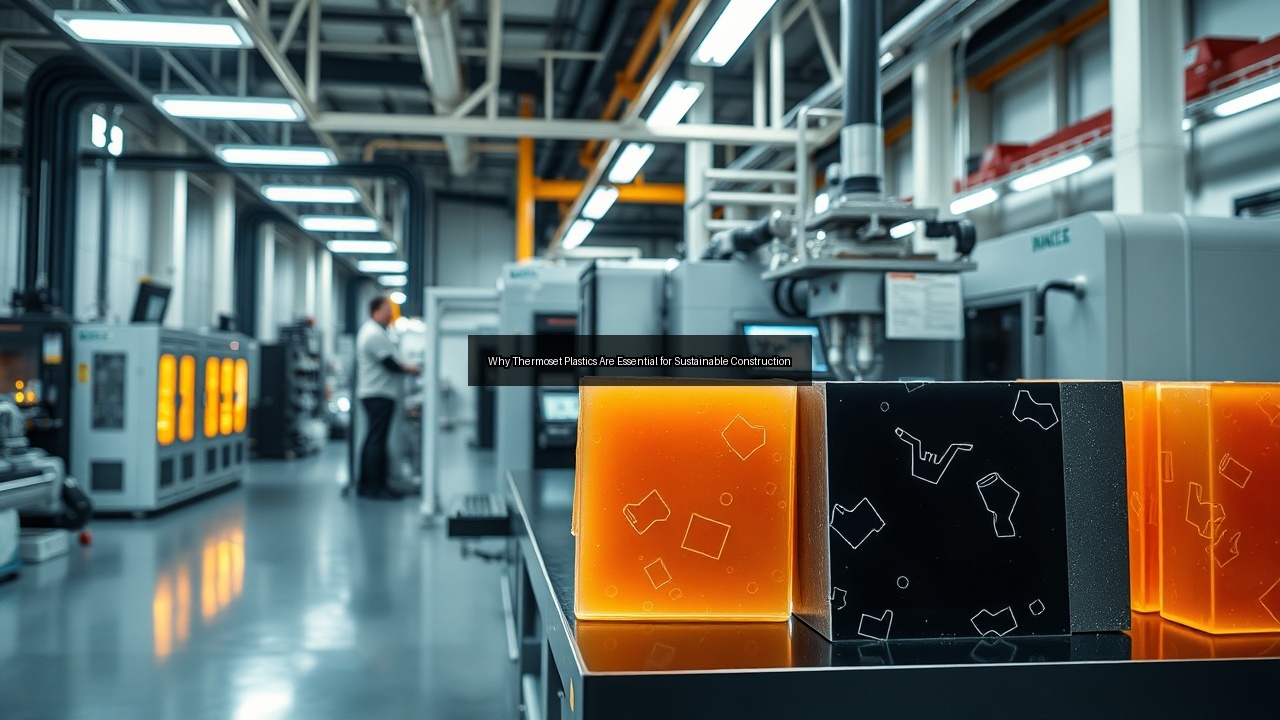
Understanding Thermoset Plastics
What Are Thermoset Plastics?
Thermoset plastics are a category of polymers thermoset plastics vs thermoplastics that undergo a permanent chemical change when subjected to heat and curing agents. This transformation makes them distinct from other types of plastics. Once cured, thermosets cannot be remolded or reshaped. Common examples include epoxy resins, phenolic resins, and polyurethane. Their unique properties make them ideal for applications that require high strength and stability. In construction, the durability and chemical resistance of thermoset plastics make them a preferred choice for various materials and components. Understanding their role in sustainable building practices reveals their importance in modern construction.
Key Differences: Thermosets vs Thermoplastics
Thermosets and thermoplastics differ fundamentally in their behavior upon heating. Thermoplastics soften when heated, allowing for reshaping and recycling. In contrast, thermosets harden permanently after curing, which enhances their structural integrity. This key difference impacts their applications significantly. Thermoplastics are commonly used in consumer products, whereas thermosets find their niche in applications requiring heat resistance and dimensional stability, such as in construction and automotive parts. The choice between thermoset and thermoplastic materials often depends on the specific demands of the application, including aspects like impact resistance, manufacturing processes, and lifecycle considerations.
Chemical Composition and Molecular Structure of Thermosets
The chemical composition of thermosets includes cross-linked molecular structures formed during the curing process. This cross-linking provides thermosets with their characteristic rigidity and resistance to deformation. The molecular structure consists of long chains of polymer molecules that bond together, creating a three-dimensional network. This intricate arrangement gives thermosets their robust properties, such as chemical resistance and thermal stability. In construction, these attributes are crucial for materials exposed to harsh environments, ensuring longevity and reliability. The curing agents used during manufacturing play a significant role in determining the final properties of thermosetting polymers.
Advantages of Thermoset Plastics in Construction
Impact Resistance and Durability
Thermoset plastics exhibit outstanding impact resistance, making them an excellent choice for construction applications. Their ability to withstand sudden forces without fracturing ensures long-term performance in various environments. This durability translates to lower maintenance costs and extended service life for structures. In regions prone to extreme weather or seismic activity, the use of thermoset materials can enhance the safety and resilience of buildings. Additionally, their resistance to environmental factors, such as moisture and chemicals, further solidifies their role in sustainable construction practices. Choosing thermoset plastics enhances structural integrity, meets rigorous performance standards, and contributes to the longevity of construction projects.
Electrical Insulation Properties
Another significant advantage of thermoset plastics lies in their exceptional electrical insulation properties. These materials effectively resist electrical conductivity, making them ideal for applications involving wiring, circuit boards, and other electrical components. In construction, this property becomes vital for ensuring the safety and functionality of buildings equipped with electrical systems. By preventing electrical failures and short circuits, thermoset polymers enhance the overall safety of structures. Additionally, the use of thermosetting materials reduces the risk of fire hazards, contributing to a safer environment for occupants. The combination of durability and electrical insulation positions thermoset plastics as a smart choice for modern construction.
Sustainable Manufacturing and Efficiency
Sustainable manufacturing practices increasingly prioritize materials that minimize environmental impact. Thermoset plastics contribute to this goal through their efficient production processes and long-lasting characteristics. While the curing process may require energy, the durability and lifecycle of thermosets offset this initial footprint. These materials often lead to less waste and fewer replacements over time, aligning with sustainable construction goals. Moreover, advancements in manufacturing techniques, such as eco-friendly curing agents, further enhance the sustainability of thermoset plastics. Their efficiency in production and application supports a circular economy, where materials are used thoughtfully and responsibly.
Applications of Thermoset Plastics in Sustainable Construction
Innovative Designs in Construction
Thermoset plastics allow architects and engineers to explore innovative designs that traditional materials may not support. The versatility of thermosetting polymers enables the creation of complex shapes and structures, facilitating unique architectural expressions. This flexibility in design does not compromise strength and durability, making thermosets a favored choice for modern constructions. Their ability to integrate seamlessly with other materials enhances the aesthetic appeal and functional performance of buildings. As sustainable construction continues to evolve, thermoset plastics play a crucial role in pushing the boundaries of design while adhering to environmental standards.
Thermoset Polymers in Building Materials
Various building materials incorporate thermoset polymers, contributing to their performance and sustainability. For instance, thermoset resins are used in fiber-reinforced composites, offering enhanced strength-to-weight ratios that benefit structural applications. These composites are ideal for roofing, flooring, and wall panels, where both durability and aesthetic qualities are important. Additionally, thermosets find their way into adhesives, sealants, and coatings, providing essential bonding and protective properties. The integration of thermoset plastics thermoset plastics vs thermoplastics into building materials not only enhances performance but also aligns with sustainable practices by reducing waste and extending the life of construction elements.
Thermoset Plastics in Packaging and Fabrication
Beyond traditional construction, thermoset plastics also play a vital role in packaging and fabrication. Their durability and resistance to chemicals make them suitable for protective packaging solutions, ensuring the safe transport of construction materials. In fabrication, thermosetting polymers are utilized in molds and tools, optimizing manufacturing processes. The efficiency of thermoset plastics in these applications supports sustainability by reducing material waste and improving the lifespan of tools and packaging solutions. As industries seek to minimize their environmental footprints, thermoset plastics offer effective solutions that balance performance with ecological responsibility.
The Future of Thermoset Plastics in the Automotive Industry
Thermosets in Vehicle Design and Manufacturing
The automotive industry increasingly embraces thermoset plastics for vehicle design and manufacturing. Their lightweight and robust nature contributes to fuel efficiency and performance. As automakers focus on reducing carbon emissions, the adoption of thermosetting materials plays a crucial role in creating lighter vehicles without sacrificing safety or durability. Thermoset composites are particularly valuable in structural components, providing the necessary strength while minimizing weight. This shift towards thermosets reflects a broader industry trend towards sustainable practices and innovative materials that support modern vehicle requirements.
Comparative Analysis with Thermoplastic Materials
When comparing thermoset plastics with thermoplastic materials, several factors come into play. Thermoplastics offer recyclability and flexibility, making them suitable for various applications. However, thermosets outperform in terms of heat resistance, chemical stability, thermoset plastics vs thermoplastics and overall strength. In automotive applications, the choice between these materials often hinges on performance requirements and design specifications. While thermoplastics may be preferred for certain components, thermosets provide essential advantages for high-performance areas, like engine parts and structural reinforcements. Understanding these differences assists manufacturers in making informed choices that align with sustainability goals.
Emerging Trends in Thermosetting Polymers
Emerging trends in thermosetting polymers indicate a promising future for their application across industries. Research and development continue to enhance the properties of thermosets, making them more adaptable and environmentally friendly. Innovations in bio-based thermosetting resins and advanced curing techniques highlight the industry's commitment to sustainability. Additionally, the integration of smart materials into thermosets opens new avenues for functionality in automotive applications. As industries prioritize sustainability, the evolution of thermosetting polymers positions them as essential materials in future manufacturing processes, promising efficiency and performance in various applications.
See Also
- Exploring the Benefits of Thermoset Plastics in Electrical Insulation
- Designing with Thermoset Plastics Unlocking Creative Potential in Fabrication
- How Thermoset Plastics Revolutionize the Automotive Industry
- From Curing to Impact Resistance Understanding Thermoset Behavior
- The Future of Packaging Innovations with Thermoset Materials